Expansion Tank Installation in Denver, CO
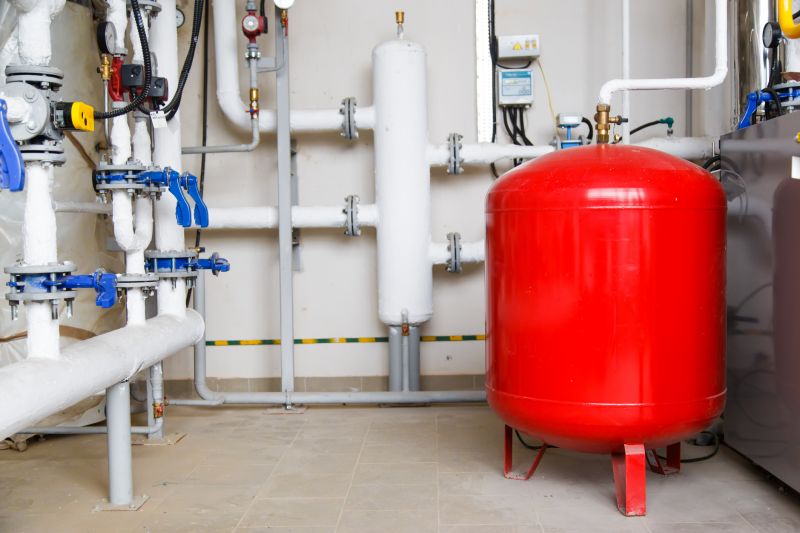
Expansion tank installation services involve adding a pressure tank to a home's existing hot water or heating system to help regulate pressure and prevent damage caused by water expansion. These tanks are typically installed in residential properties during system upgrades, repairs, or new installations, especially when homeowners notice fluctuating water pressure or hear banging noises in pipes. Property owners should understand the importance of proper sizing and placement of the expansion tank to ensure optimal system performance and longevity, and it’s helpful to know whether the existing system requires modifications to accommodate the new component.
Before requesting expansion tank installation, homeowners often want to clarify the scope of work, including the type of tank suitable for their system-such as thermal expansion tanks for water heaters or hydronic heating systems. It’s also useful to inquire about compatibility with existing plumbing and whether any additional adjustments or parts are needed. Understanding the basic function of an expansion tank and the signs indicating its necessity can help property owners make informed decisions about maintaining a safe and efficient plumbing or heating setup.
Many property owners in Denver, CO look into Expansion Tank Installation for repairs, replacements, upgrades, and appearance-related improvements.
Purpose Of Expansion Tanks
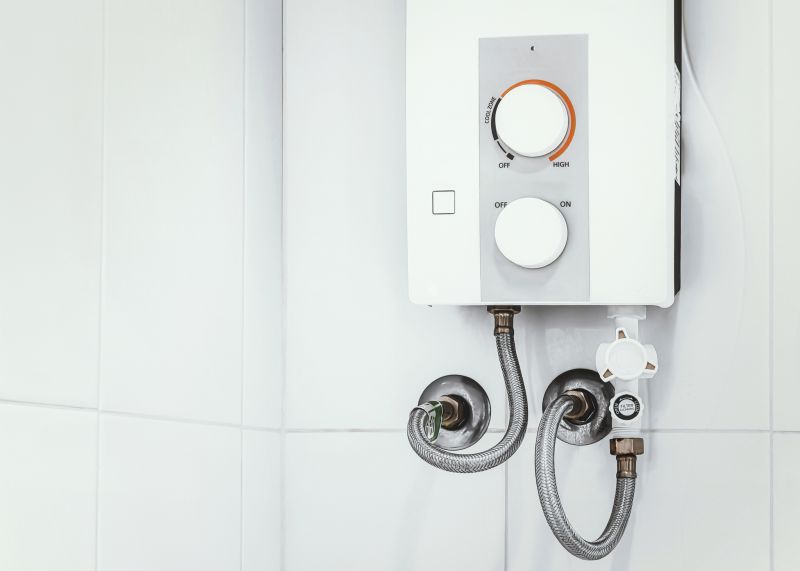
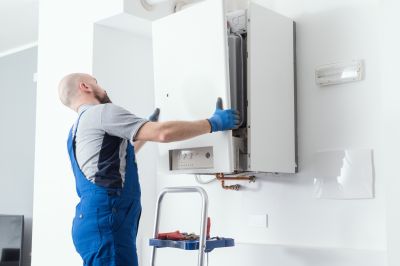
Expansion tanks help maintain water pressure and prevent damage in residential and commercial plumbing systems.
Signs You Need An Expansion Tank
Frequent system pressure fluctuations or noisy pipes may indicate the need for a new expansion tank.
Installation Considerations
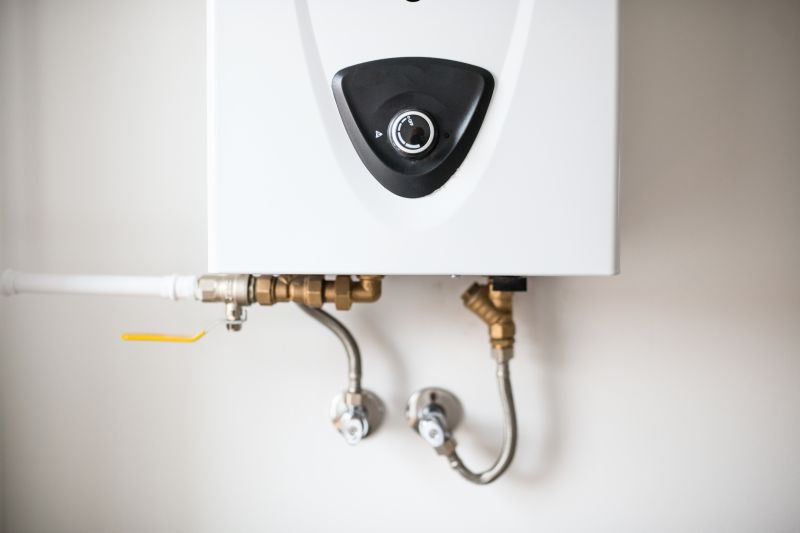
Proper placement and sizing are essential for effective expansion tank performance in denver-area plumbing setups.
Expansion Tank Installation in Denver, CO
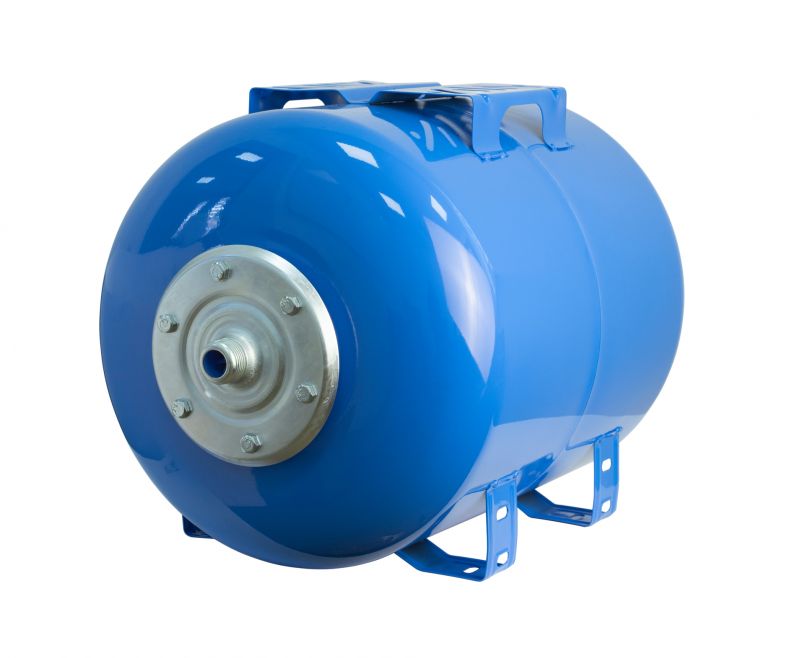
Expansion tank installation services involve adding a pressure tank to a home's existing hot water or heating system to help regulate pressure and prevent damage caused by water expansion. These tanks are typically installed in residential properties during system upgrades, repairs, or new installations, especially when homeowners notice fluctuating water pressure or hear banging noises in pipes. Property owners should understand the importance of proper sizing and placement of the expansion tank to ensure optimal system performance and longevity, and it’s helpful to know whether the existing system requires modifications to accommodate the new component.
Before requesting expansion tank installation, homeowners often want to clarify the scope of work, including the type of tank suitable for their system-such as thermal expansion tanks for water heaters or hydronic heating systems. It’s also useful to inquire about compatibility with existing plumbing and whether any additional adjustments or parts are needed. Understanding the basic function of an expansion tank and the signs indicating its necessity can help property owners make informed decisions about maintaining a safe and efficient plumbing or heating setup.
Many property owners in Denver, CO look into Expansion Tank Installation for repairs, replacements, upgrades, and appearance-related improvements.
Common Expansion Tank Installation Jobs
Expansion Tank Installation Questions
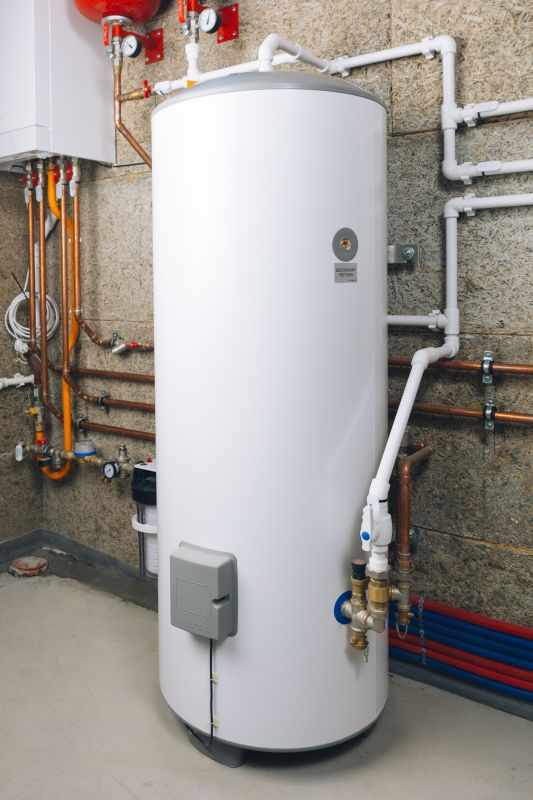
What is an expansion tank? An expansion tank is a component that helps manage pressure in a closed hot water heating system by accommodating water expansion.
Why is installation of an expansion tank important? Proper installation prevents excessive pressure buildup, which can protect the plumbing system and improve efficiency.
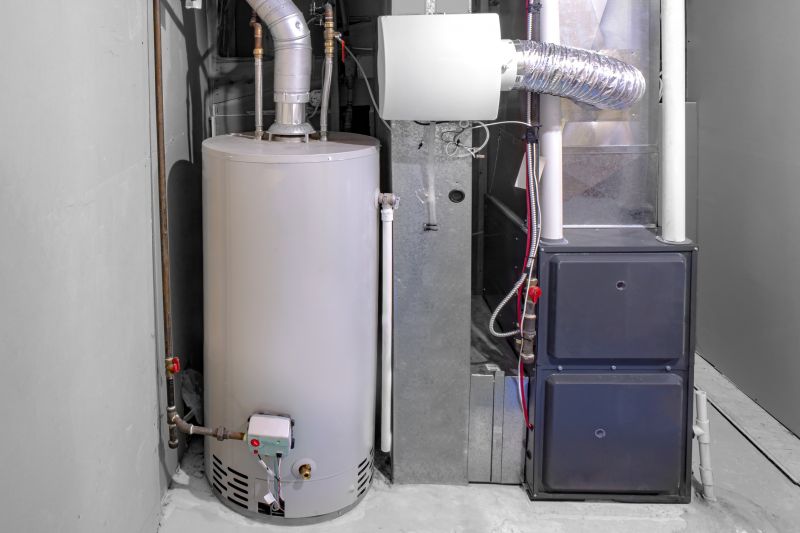
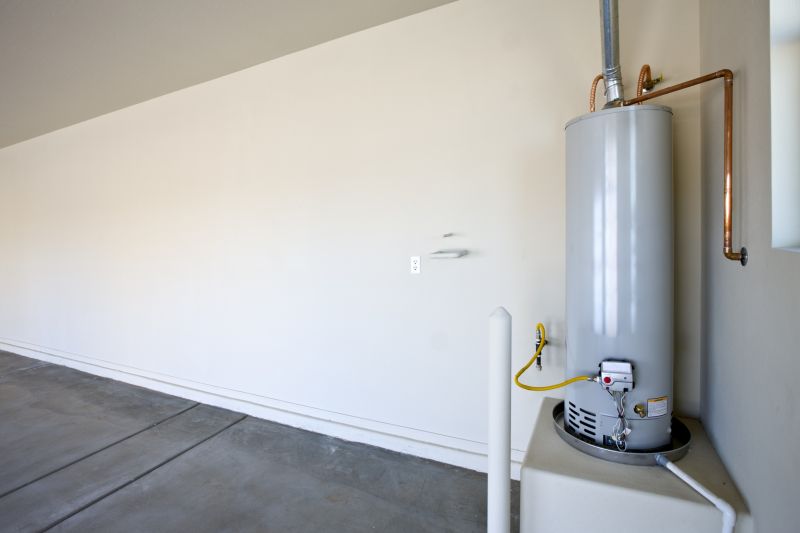
Where is an expansion tank typically installed? It is usually installed near the water heater or boiler, connected to the hot water supply line.
What signs indicate the need for an expansion tank? Frequent pressure relief valve activation, banging noises, or fluctuating water pressure may suggest the need for an expansion tank.
Request Expansion Tank Installation in Denver, CO
Use the quote form on this page to share the basics of your project and request more information for the type of work you need.